%20-%20Edited.png)
Blackout Safety Tips: Top Tips for Surviving a Blackout

Power outages can happen unexpectedly, especially in South East Queensland where weather conditions or infrastructure issues may cause blackouts. Being prepared and knowing how to respond can make a big difference in your safety and comfort. I want to share some practical advice to help you stay safe and calm during a blackout.
Essential Blackout Safety Tips for Your Home or Business
When the lights go out, it’s important to act quickly and wisely. Here are some blackout safety tips that I recommend for every homeowner and business operator:
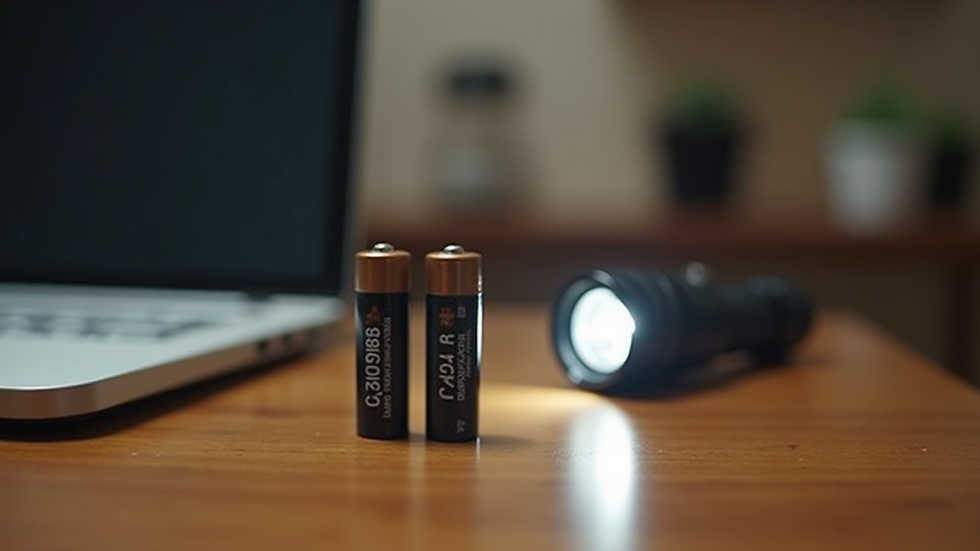
Keep a flashlight and spare batteries handy. Avoid using candles as they pose a fire risk.
Unplug sensitive electronics to protect them from power surges when electricity returns.
Have a battery-powered or hand-crank radio to stay updated on news and emergency information.
Prepare an emergency kit with water, non-perishable food, first aid supplies, and any necessary medications.
Charge your mobile devices as soon as you notice a power interruption.
Know how to manually operate your garage door or security system if they rely on electricity.
These steps help you maintain safety and reduce stress during a blackout.
Preparing Your Property for Power Outages
Preparation is key to minimizing disruption. I suggest taking these actions before a blackout occurs:
Install surge protectors on your main electrical panel.
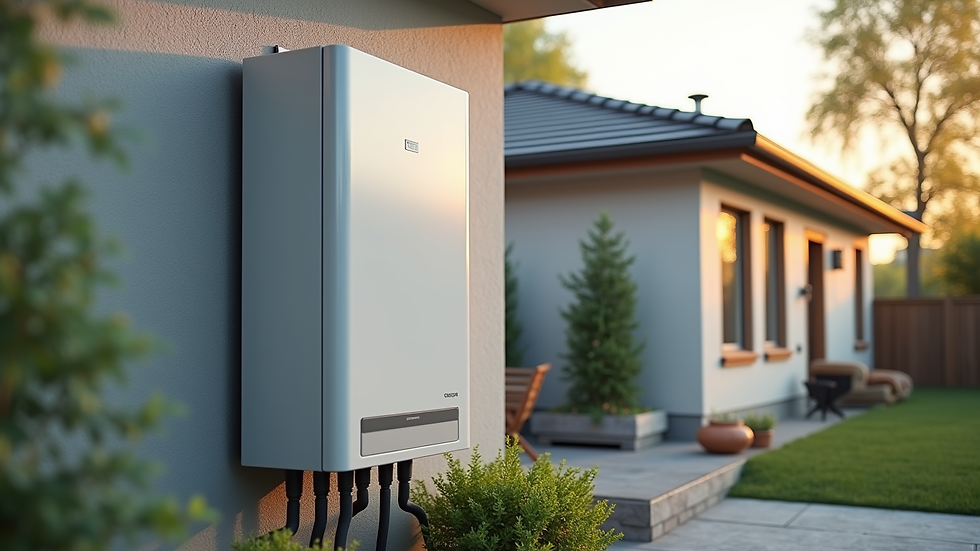
Consider a backup power source such as a generator or solar battery system.
Keep your fridge and freezer doors closed to preserve food longer during outages.
Label circuit breakers clearly to quickly turn off or on specific circuits.
Educate family members or staff on blackout procedures and safety measures.
By preparing your property, you can avoid damage and keep essential systems running.
What Should You Do If You Have a Blackout?
If you experience a blackout, follow these steps to stay safe and informed:
Check if the outage is limited to your property by looking outside or asking neighbours.
Report the outage to your electricity provider as soon as possible.
Turn off all electrical appliances except for one light to avoid overload when power returns.
Use flashlights instead of candles to reduce fire hazards.
Keep refrigerator and freezer doors closed to maintain cold temperatures.
Avoid using gas stoves or barbecues indoors to prevent carbon monoxide poisoning.
Stay calm and check on vulnerable people such as elderly neighbours or family members.
Taking these actions helps you manage the situation safely and efficiently.

Staying Comfortable and Safe During Extended Outages
Sometimes blackouts last longer than expected. Here are some tips to keep comfortable and safe:
Dress in layers to adjust to temperature changes.
Use blankets and warm bedding if it’s cold.
Stay hydrated and eat non-perishable foods.
Avoid opening the fridge frequently to keep food fresh.
Limit the use of mobile devices to conserve battery life.
Have a plan for refrigeration of essential medications if needed.
Keep a supply of clean water for drinking and hygiene.
These simple steps can help you maintain well-being until power is restored.
How to Prevent Future Blackout Issues
After experiencing a blackout, it’s a good idea to review your setup and make improvements:
Invest in renewable energy solutions like solar panels with battery storage.
Schedule regular electrical inspections to identify potential risks.
Upgrade old wiring and electrical components to meet safety standards.
Create a blackout emergency plan for your household or business.
Stay informed about local power infrastructure projects and maintenance schedules.
By taking proactive measures, you can reduce the impact of future outages.
Power outages can be challenging, but with the right knowledge and preparation, you can handle them confidently. If you want to learn more about tips for surviving a blackout, I encourage you to explore trusted resources and plan ahead. Staying safe and comfortable during a blackout is possible with a little effort and care.
Remember, being prepared is the best way to protect your home or business and ensure peace of mind when the unexpected happens.


Comments